
Read: Remembering Our Lady of Sorrows
These prayers are to be recited each day after the Novena.
Hail Mary....
Hail Mary full of Grace, the Lord is with thee. Blessed are thou
among women and blessed is the fruit of thy womb Jesus. Holy Mary Mother
of God, pray for us sinners now and at the hour of our death.
Amen
Prayer to our Sorrowful Mother for a particular grace
O, mother most holy and sorrowful, Queen of Martyrs, you who stood by
your Son as He agonized on the cross; by the sufferings of your life,
by that sword of pain that pierced your heart, by your perfect joy in
heaven, look down on me kindly as I kneel before you, sympathizing with
your sorrows and offering you my petition with childlike trust.
Dear
Mother, since your Son refuses you nothing, ask of His Sacred Heart to
mercifully grant what I ask, through the merits of His sacred passion,
along with those of your sufferings at the foot of the cross.
Mother most merciful, to whom shall I go in my misery if not to you
who pities us poor sinful exiles in this valley of tears? In our name,
offer Jesus but one drop of His most precious blood, but one pang of His
loving heart. Remind Him that you are our sweetness, our life and our
hope, and your prayer will be heard.
Amen
The Memorare
Remember, O most gracious Virgin Mary, that never was it known that
anyone who fled to your protection, implored your help or sought your
intercession, was left unaided. Inspired by this confidence, I fly unto
you, O Virgin of Virgins, my Mother. To you do I come, before you I
stand, sinful and sorrowful. O Mother of the Word Incarnate, despise not
my petitions, but in your clemency, hear and answer me.
Amen

First Day
 Prayer in honor of the First Sorrow of Mary:
The Prophecy of Simeon
Prayer in honor of the First Sorrow of Mary:
The Prophecy of Simeon
Most Sorrowful Mother, grief filled was your heart when, on offering
your divine Son at the temple, Holy Simeon foretold that a sword would
pierce your soul. There and then you knew you would suffer with Jesus.
Queen of Martyrs, let me unite my heart to yours in this pain, and
ask you the grace to keep the thought of my death in mind, so I may
always avoid sin.
Hail Mary…Prayer to our Sorrowful Mother for a particular grace Memorare
Second Day
 Prayer in honor of the Second Sorrow of Mary:
The Flight into Egypt
Prayer in honor of the Second Sorrow of Mary:
The Flight into Egypt
Most sorrowful Mother, Your mother’s heart brimmed over with sorrow
at the hate of Herod for your innocent Son. To save Him from the king’s
jealousy, you had to flee with Him to Egypt. Your heart also suffered
at seeing the suffering of your holy spouse, Saint Joseph, at the
prospect of taking the divine babe and you, his delicate spouse, into
the wilderness and the unknown.
Queen of Martyrs let me unite my heart to yours in this sorrow, and
obtain for me the grace to avoid those who wish me evil, above all evil
to my soul. Let me avoid temptations and never leave the difficult but
royal road to heaven.
Hail Mary…Prayer to our Sorrowful Mother for a particular grace Memorare
Third Day
 Prayer in honor of the Third Sorrow of Mary:
The Loss of the child Jesus in the Temple
Prayer in honor of the Third Sorrow of Mary:
The Loss of the child Jesus in the Temple
Most sorrowful Mother, grief, sorrow and anxiety filled your
immaculate heart when you found you were separated from your Son on
leaving Jerusalem.
For three days He remained lost to you and to your holy spouse. For
three days you sought Him who was the light of your life. And for three
days you failed to find Him.
Let me join you in this pain, O Queen of Martyrs, and obtain for me
the grace to never lose Jesus through sin, but to stay united to Him by
the help of His grace. If I have the misfortune of falling, may I never
doubt His mercy and always return through the Sacrament of Confession,
which He instituted.
Hail Mary…Prayer to our Sorrowful Mother for a particular grace Memorare
Fourth Day
 Prayer in honor of the Fourth Sorrow of Mary:
The Meeting of Mary and Jesus on the Way to Calvary
Prayer in honor of the Fourth Sorrow of Mary:
The Meeting of Mary and Jesus on the Way to Calvary
Most sorrowful Mother, who can fathom the grief of your heart when
you saw your Son fall, wounded and bleeding under the crushing weight of
the cross, on the way to Calvary?
Queen of Martyrs, let me unite my heart to yours in this sorrow, and
obtain for me the grace to bear patiently whatever cross God may see fit
to send me.
Hail Mary…Prayer to our Sorrowful Mother for a particular grace Memorare
Fifth Day
 Prayer in honor of the Fifth Sorrow of Mary:
The Crucifixion and Death of Jesus
Prayer in honor of the Fifth Sorrow of Mary:
The Crucifixion and Death of Jesus Most
sorrowful Mother, standing by the cross of Jesus, your heart was one
great knot. And yet, you did not sit, you did not even lean, but stood
as you watched Him suffer for the sins of the whole world–for my sins.
Like Abraham, you offered the sacrifice standing up, consciously and
willingly. In your case, you offered it for me, and for every sinner.
Still, unlike Abraham, you stood and watched Him die. In your case, your
perfect Son was not spared.
Queen of Martyrs, let me join you in this sorrow, and obtain for me
the grace to fight against temptation and sin at the cost of effort,
suffering and even life. When my turn comes, grant me, Mother, by your
Jesus’ death and your sacrifice, the grace to die in His holy Grace–the
grace of a happy death.
Hail Mary…Prayer to our Sorrowful Mother for a particular grace Memorare
Sixth Day
 Prayer in honor of the Sixth Sorrow of Mary:
The Piercing of the Side of Jesus and His Descent from the Cross
Prayer in honor of the Sixth Sorrow of Mary:
The Piercing of the Side of Jesus and His Descent from the Cross
Most Sorrowful Mother, when your Son’s body was lowered from the cross and laid in your arms, sorrow filled your heart.
Though now this sorrow had a note of relief, how painful it was for
you to gaze on that body, formerly the seat of perfect life, health and
beauty, gruesomely scarred, pale and lifeless.
Mother, Queen of Martyrs, let me join my heart to yours in this
grief, and obtain for me to receive Jesus into my soul before I die, so I
may join Him in heaven forever.
Hail Mary…Prayer to our Sorrowful Mother for a particular grace Memorare
Seventh Day
 Prayer in honor of the Seventh Sorrow of Mary:
The Burial of Jesus
Prayer in honor of the Seventh Sorrow of Mary:
The Burial of Jesus
Most sorrowful Virgin, sorrow again filled your heart when the sacred
body of your Son was taken from your arms, and placed in a cold grave.
Yet you did not doubt that He would rise again.
Queen of Martyrs, let me join you in your sorrow, and grant me your
own deep, trusting faith in the word of your Son. Let me trust that even
in suffering, even when all seems lost, with Jesus there is always a
way out.
Obtain for me too, a sincere sorrow for all my sins, a burning love
for my God, a tender devotion to you, so that one day, I may die in His
grace and, with Him, rise to eternal life.
Hail Mary…Prayer to our Sorrowful Mother for a particular grace Memorare
Eighth Day
 Feast of the Exaltation of the Holy Cross, September 14
Sweet Mother of Sorrows, Providence wished that Saint Helena, like
you the mother of a king, find the cross of your Son and lavish honors
on this relic of relics.
**
Grant, me Sorrowful Queen and Mother that, like Saint Helena, I
always honor the symbol of our salvation, the cross. And like the
Church, may I hold it high, display and wear it with gratitude and
pride.
Above all, may I unite my sufferings to that of Jesus on the cross,
and carry my crosses not in shame but in faith, love and patience as He
did.
The Church teaches that suffering thus carried and united to His, is never in vain, but a powerful, redemptive prayer.
May I always believe it, so my life will always have meaning.
Hail Mary…Prayer to our Sorrowful Mother for a particular grace Memorare
**(Saint Helena did this while on a pilgrimage to
Jerusalem in the year 326 A.D. To celebrate this fact, the Catholic
Church established the feast of The Exaltation of the Holy Cross.)
Ninth Day
 Feast of the Blessed Virgin Mary, Mother of Sorrows
O most holy Virgin, Mother of our Lord Jesus Christ: by the
overwhelming grief you experienced when you witnessed the martyrdom,
crucifixion, and death of your divine Son, look upon me kindly, and
awaken in my heart a tender sympathy for Our Lord’s sufferings.
Grant me a sincere detestation of my sins, so that free from undue
affection for the passing joys of earth, I may set my sights higher on
the eternal joys of heaven.
May all my thoughts and all my actions be directed towards this one
great goal. Honor, glory, and love to our divine Lord Jesus, and to the
holy and immaculate Mother of God.
Amen
Hail Mary…Prayer to our Sorrowful Mother for a particular grace Memorare
The Seven Sorrows of Our Lady
1. The Prophecy of Simeon
2. The Flight into Egypt
3. The Loss of the child Jesus in the Temple
4. The Meeting of Mary and Jesus on the Way to Calvary
5. The Crucifixion and Death of Jesus
6. The Piercing of the Side of Jesus and His Descent from the Cross
7. The Burial of Jesus


 Cornelius
was elected to the papal dignity during a time in which both the Church
and civil society were in great turmoil. About the year 250, Rome was
ruled by the Emperor Decius, who savagely persecuted Christians. He
ordered all Christians to deny Christ by offering incense to idols or
through some other pagan ritual. Many Christians refused and were
martyred, among them St. Fabian, the Pope, while others burnt the
sacrificial incense in order to save their own lives. In hopes that
Christianity would fade away, Decius prevented the election of a new
pope. However, he was soon compelled to leave Rome to fight the invading
Goths and, in his absence, the papal election was held.
Cornelius
was elected to the papal dignity during a time in which both the Church
and civil society were in great turmoil. About the year 250, Rome was
ruled by the Emperor Decius, who savagely persecuted Christians. He
ordered all Christians to deny Christ by offering incense to idols or
through some other pagan ritual. Many Christians refused and were
martyred, among them St. Fabian, the Pope, while others burnt the
sacrificial incense in order to save their own lives. In hopes that
Christianity would fade away, Decius prevented the election of a new
pope. However, he was soon compelled to leave Rome to fight the invading
Goths and, in his absence, the papal election was held.

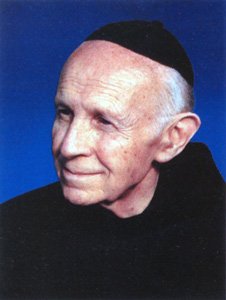 fter
World War II, Austria was divided between four countries: America,
France, the United Kingdom, and Russia. At the time, Russia was still
communist. The section of Austria controlled by the communists was the
richest, and included the city of Vienna. The Viennese were subject to
the all the atrocities and tyrannies of communism. However, in 1946, Fr.
Petrus Pavlicek, after making a pilgrimage to Mariazell, the principle
Marian shrine in Austria, was told by an interior voice: “Do as I say and there will be peace.”
fter
World War II, Austria was divided between four countries: America,
France, the United Kingdom, and Russia. At the time, Russia was still
communist. The section of Austria controlled by the communists was the
richest, and included the city of Vienna. The Viennese were subject to
the all the atrocities and tyrannies of communism. However, in 1946, Fr.
Petrus Pavlicek, after making a pilgrimage to Mariazell, the principle
Marian shrine in Austria, was told by an interior voice: “Do as I say and there will be peace.”
 With
great clarity the Gospels show us how much our Divine Savior in His
mercy pities our pains of body and soul. We need only to recall the
awesome miracles He performed in His omnipotence in order to mitigate
these pains. But let us never make the mistake of imagining that this
combat against pain and sorrow was the greatest gift He dispensed to
mankind.
With
great clarity the Gospels show us how much our Divine Savior in His
mercy pities our pains of body and soul. We need only to recall the
awesome miracles He performed in His omnipotence in order to mitigate
these pains. But let us never make the mistake of imagining that this
combat against pain and sorrow was the greatest gift He dispensed to
mankind. John
– later surnamed Chrysostomos, meaning “golden-mouthed” so called on
account of his eloquence – was born in Antioch in Syria around 347.
Raised by his widowed mother, he studied under Libanius, a famous orator
of the period.
John
– later surnamed Chrysostomos, meaning “golden-mouthed” so called on
account of his eloquence – was born in Antioch in Syria around 347.
Raised by his widowed mother, he studied under Libanius, a famous orator
of the period. Chrysostom
was banished from Constantinople in 403 after he delivered too zealous a
sermon against immodesty and vanity. The Empress Eudoxia took his words
as a direct insult against herself. His exile was of short duration
however, because a slight earthquake that shook the city was taken as a
terrifying sign by the superstitious lady. Shortly afterwards he was
again banished for preaching against the disorder, impropriety, and
superstition occasioned by the public games commemorating the raising of
a silver statue of Eudoxia in front of the great church dedicated to
the Divine Wisdom. He was exiled to a remote place called Cucusus in the
Taurus Mountains of Armenia, where he suffered greatly from the heat,
fatigue, and the cruelty and brutality of his guards. The local bishop,
however, vied with his people in showing the aging patriarch every mark
of kindness and respect.
Chrysostom
was banished from Constantinople in 403 after he delivered too zealous a
sermon against immodesty and vanity. The Empress Eudoxia took his words
as a direct insult against herself. His exile was of short duration
however, because a slight earthquake that shook the city was taken as a
terrifying sign by the superstitious lady. Shortly afterwards he was
again banished for preaching against the disorder, impropriety, and
superstition occasioned by the public games commemorating the raising of
a silver statue of Eudoxia in front of the great church dedicated to
the Divine Wisdom. He was exiled to a remote place called Cucusus in the
Taurus Mountains of Armenia, where he suffered greatly from the heat,
fatigue, and the cruelty and brutality of his guards. The local bishop,
however, vied with his people in showing the aging patriarch every mark
of kindness and respect..jpg)


 “God the Father gathered all the waters together and called them the sea – mare. He gathered all his graces together and called them Mary – Maria,” writes the great Marian apostle St. Louis Marie de Montfort in his renowned work, Treatise on True Devotion to Mary.
 In
1683, Vienna was besieged by Turkish invaders. Jan Sobieski, the devout
King of Poland, came to the assistance of Vienna with an army that was
vastly outnumbered by that of Mustapha. Early on the morning of
September 12, having himself served at Holy Mass, the King entrusted
himself and his army to the Virgin Mary, imploring her blessing upon
himself and his troops and her assistance in the upcoming conflict. Then
rising from his knees, the "Northern Lion," as he was called by the
Turks, said aloud: “Let us now march to the enemy with an entire
confidence in the protection of heaven, under the assured patronage of
the Blessed Virgin.” And charging upon the enemy camp, they defeated and
routed the Muslims completely. The Turkish forces were overwhelmed and
Vienna was saved under the banner of Mary Most Holy.
In
1683, Vienna was besieged by Turkish invaders. Jan Sobieski, the devout
King of Poland, came to the assistance of Vienna with an army that was
vastly outnumbered by that of Mustapha. Early on the morning of
September 12, having himself served at Holy Mass, the King entrusted
himself and his army to the Virgin Mary, imploring her blessing upon
himself and his troops and her assistance in the upcoming conflict. Then
rising from his knees, the "Northern Lion," as he was called by the
Turks, said aloud: “Let us now march to the enemy with an entire
confidence in the protection of heaven, under the assured patronage of
the Blessed Virgin.” And charging upon the enemy camp, they defeated and
routed the Muslims completely. The Turkish forces were overwhelmed and
Vienna was saved under the banner of Mary Most Holy.

 After
spending many years in the desert under the direction of St. Anthony,
Paphnutius, the holy confessor of Egypt, was made a bishop. Paphnutius
suffered persecution under the rule of Emperor Maximinus, which is said
to have been the bloodiest persecution of Christians during the Roman
Empire. After his right eye was gouged out, and his left knee hamstrung
and mutilated, the bishop was condemned to work in the mines for
refusing to comply with traditional Roman religious practices.
After
spending many years in the desert under the direction of St. Anthony,
Paphnutius, the holy confessor of Egypt, was made a bishop. Paphnutius
suffered persecution under the rule of Emperor Maximinus, which is said
to have been the bloodiest persecution of Christians during the Roman
Empire. After his right eye was gouged out, and his left knee hamstrung
and mutilated, the bishop was condemned to work in the mines for
refusing to comply with traditional Roman religious practices.

 The American reaction
 In
the small Italian town of Sant’ Angelo, a couple prayed for a child at
the shrine of St. Nicholas of Bari. They prayed for a son and promised
to dedicate him to God if their prayers were answered. In the Spring of
1245, Nicholas was born.
In
the small Italian town of Sant’ Angelo, a couple prayed for a child at
the shrine of St. Nicholas of Bari. They prayed for a son and promised
to dedicate him to God if their prayers were answered. In the Spring of
1245, Nicholas was born.

 At
the time, Cartagena was the main slave market of the New World.
Africans by the thousands were being shipped in from the Congo and
Angola and it was estimated that one third of them died in transit due
to their harsh treatment and the foul conditions of the voyage. Other
Jesuits had been working among them prior to Peter’s arrival in 1610,
but whereas they visited the slaves where they worked, Peter met them at
the wharf. Most often he boarded the slave ships before they even
docked, going down into their filthy and disease-ridden holds to treat
the terror-stricken human cargo. Infants and the dying, he would baptize
immediately; to the others he offered food, clothing and medical
assistance; with the help of interpreters, he taught them about the
sacraments and how to pray, educating them in the Catholic faith before
baptizing them. In the course of forty years, Peter instructed and
baptized over 300,000 slaves.
At
the time, Cartagena was the main slave market of the New World.
Africans by the thousands were being shipped in from the Congo and
Angola and it was estimated that one third of them died in transit due
to their harsh treatment and the foul conditions of the voyage. Other
Jesuits had been working among them prior to Peter’s arrival in 1610,
but whereas they visited the slaves where they worked, Peter met them at
the wharf. Most often he boarded the slave ships before they even
docked, going down into their filthy and disease-ridden holds to treat
the terror-stricken human cargo. Infants and the dying, he would baptize
immediately; to the others he offered food, clothing and medical
assistance; with the help of interpreters, he taught them about the
sacraments and how to pray, educating them in the Catholic faith before
baptizing them. In the course of forty years, Peter instructed and
baptized over 300,000 slaves. Many
days passed before Almighty God finally completed the masterpiece of
His creation. For nine months, the soul of Mary had given form to her
virginal body, and the hour, the moment, of her joyful birth approached.
As the suffocating Palestinian summer neared its end, the mellowing sun
poured abundant torrents of golden light on the opulent plain of
Samaria, ripening the rich orchards of autumn fruit. On a magnificent
September day, with nature adorned in radiant beauty, the most Holy
Virgin came into the world in the white-walled city of Nazareth.
Many
days passed before Almighty God finally completed the masterpiece of
His creation. For nine months, the soul of Mary had given form to her
virginal body, and the hour, the moment, of her joyful birth approached.
As the suffocating Palestinian summer neared its end, the mellowing sun
poured abundant torrents of golden light on the opulent plain of
Samaria, ripening the rich orchards of autumn fruit. On a magnificent
September day, with nature adorned in radiant beauty, the most Holy
Virgin came into the world in the white-walled city of Nazareth. Anne
and Joachim had been childless for many years, but the Lord had at last
answered their prayers. They saw their daughter Mary as the measure of
His celestial goodness to them. Little did they suspect, however, the
veritable treasures the Most High had instilled in the soul of their
child. They could not have imagined the wonder of her Immaculate
Conception. They did not realize that the Mother of the Redeemer now lay
in their loving arms.
Anne
and Joachim had been childless for many years, but the Lord had at last
answered their prayers. They saw their daughter Mary as the measure of
His celestial goodness to them. Little did they suspect, however, the
veritable treasures the Most High had instilled in the soul of their
child. They could not have imagined the wonder of her Immaculate
Conception. They did not realize that the Mother of the Redeemer now lay
in their loving arms. After
the death of the Frankish king in 511, his realm was divided among his
four sons. Born in 524, Clodoald was the youngest son of Clodomire,
second son of the king. When Clodomire died in battle, leaving his
section of the kingdom to his own three sons, the princes were sent to
Paris to live with their grandmother, St. Clotilda.
After
the death of the Frankish king in 511, his realm was divided among his
four sons. Born in 524, Clodoald was the youngest son of Clodomire,
second son of the king. When Clodomire died in battle, leaving his
section of the kingdom to his own three sons, the princes were sent to
Paris to live with their grandmother, St. Clotilda. Bega
was the daughter of an Irish King. Her father had promised her in
marriage to the son of the King of Norway, but Bega had already
consecrated her life to Christ by a vow of virginity. A bracelet marked
with a cross was given to her by an angel as a token of her sacred
promise. The day before her wedding, she escaped with the help of the
holy bracelet: it guided her outside to a clod of earth and she was
transported across the Irish Sea and safely deposited upon the English
coast at Cumbria.
Bega
was the daughter of an Irish King. Her father had promised her in
marriage to the son of the King of Norway, but Bega had already
consecrated her life to Christ by a vow of virginity. A bracelet marked
with a cross was given to her by an angel as a token of her sacred
promise. The day before her wedding, she escaped with the help of the
holy bracelet: it guided her outside to a clod of earth and she was
transported across the Irish Sea and safely deposited upon the English
coast at Cumbria.